Blog

Unveiling Frames: Korean Cinema’s Global March Through International Film Festivals

Korean cinema has been experiencing a significant breakthrough on the global stage over the last decade, with audiences worldwide discovering and appreciating films like “Train to Busan,” “Parasite,” “Burning,” and “Decision to Leave” among others. The year 2023 continues this trend of international recognition and appreciation​1​. This global acknowledgment was notably boosted by the success of films like “Parasite” and the series “Squid Game,” which showcased a daring cinematic new wave from South Korea​.

Internationally, Korean Film Festivals are significant avenues through which Korean cinema is being showcased and celebrated. For instance, the Korean Film Festival (KFF) is a celebrated event that returns annually, bringing a selection of Korean films spanning various genres to audiences. The festival categorizes its offerings into segments like recent releases, documentaries, visions of now, and youth. Films screened range from award-winning features to insightful documentaries and captivating animations, providing a rich showcase of Korea’s cinematic creativity and storytelling prowess​.

In the UK, the London Korean Film Festival (LKFF) is a notable event that underscores the growing recognition and appreciation of Korean cinema. The LKFF, in its 18th edition in 2023, is set to run from November 2nd to November 16th, featuring a diverse and exciting lineup of films. This edition is particularly special as it commemorates the 40th Anniversary of the Korean Academy of Film Arts (KAFA), reflecting the deep-rooted cinematic tradition and contemporary cinematic innovation of Korea​​. The festival will screen 40 films under various categories, reflecting the diversity and richness of Korean cinema​6​. Furthermore, the festival also celebrates the 140th anniversary of the establishment of diplomatic relations between the UK and Korea, underlying the cultural and diplomatic ties being fostered through cinema​​.

Korean cinema’s presence in international film festivals, including those in the UK, not only brings Korean films to a broader audience but also creates a platform for cross-cultural exchange and appreciation. This presence in international film festivals is a testament to the global recognition of Korean cinema’s quality, innovation, and its ability to resonate with audiences worldwide.

Korean Films to watch this Halloween

Halloween is approaching and you will probably be building your list of scary movies to watch over the Halloween weekend! In Korea Halloween isn’t celebrated like it is in the UK as decorations and trick-or-treating is predominantly only seen in schools, campuses and apartment buildings. But that isn’t to say you won’t see any decorations! Halloween celebrations are gradually becoming more popular and more businesses are putting up decorations.

Despite this Korean Cinema has some extremely scary horror movies for you to watch this Halloween! The character development and pushing the boundaries of typical western horror films  make them even more unpredictable and terrifying.

The Horror Classic – A Tale of Two Sisters

If you search for Korean Horror movies online you will likely see this movie be number one on the list. Full of jump scares and tragic events this has everything you want from a Halloween film while also digging deep into your emotions and get inside your head.

Su-Mi (the protagonist) is just released from a mental hospital and returning to the countryside with her father, stepmother and younger sister. Strange things are happening in the house and Su-mi is haunted by nightmares of her dead mother.

Director – Kim-Jee-woo

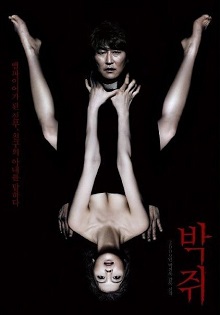
Vampires – Thirst

A deadly virus is spreading across the world killing many people, Sang-hyun a priest working at the local hospital volunteers for a secret vaccine in order to test it’s effectiveness against the disease. To try and save his life he is given a blood transfusion accidently containing vampire blood!

He abandons his current life and is forced to lead a very different path, this film is very violent however also has strong themes of romance.

Director – Park Chan-wook

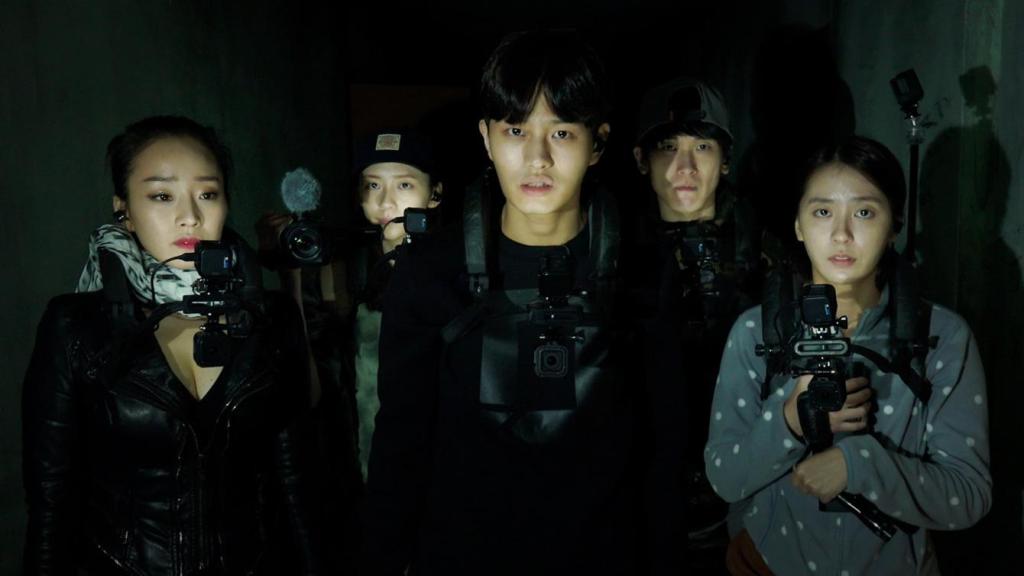
Found Footage Horror – Gonjiam: Haunted Asylum

If you are a fan of found footage horror, then this is for you. Set in the Gonjiam Psychiatric Hospital. Rumors have it that the director of the hospital killed all the patients before going missing.. A group of people investigate the hospital for a horror web series for the publicity.

When this film was released it was the third most watched horror film in Korean cinemas as well as winning multiple awards. Even if you wouldn’t usually watch a found footage horror we would recommend giving this a try as it is just as intense and scary as other horror films.

Director – Bum-shik Jung

Zombies – Train To Busan

Unless you have been living under a rock with no internet you are likely to already have heard of Train to Busan! If you haven’t seen it yet this Halloween is the perfect time.

The protagonist Seo Seok-woo is a workaholic and divorced farther who hasn’t got much time for his daughter Su-an. She wants to spend her birthday with her mum in Busan however a chemical lead at a biotech plant causes the start of a zombie apocalypse! This spreads across South Korea meanwhile they are stuck on a train full speak to Busan.

Director – Yeon Sang-ho

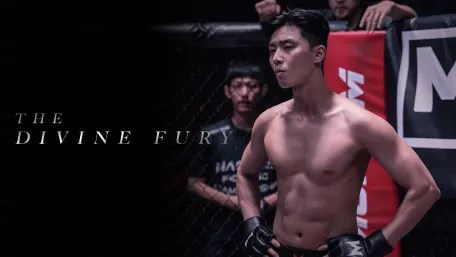
Martial Arts Fighting – The Divine Fury

A horror film with an MMA champion and a priest fighting evil? What more could you ask for? Yong Hoo’s father dies in an accident leading him to distrust and resent people as well as being very very angry.

Combining some horror films classics and a few exorcisms the plot twists and turns as they kill any demon in their sight. If you are looking for intense action rather than the slow burn of a jump scare thriller, this is your film for you.

Director – Kim Joo-hwan

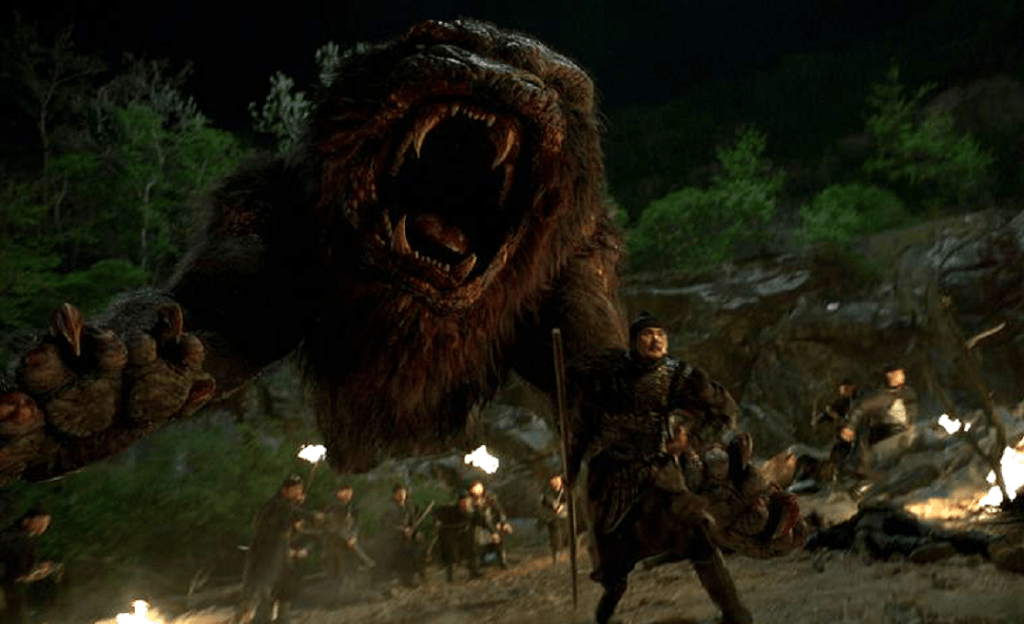
Monsters Eating People! – Monstrum

Monstrum is a South Korean period action film set in 1527. A plague is spreading through Joseon (The Korean dynastic kingdom lasting 5 centuries). A mysterious creature called “Monstrum” is roaming the country eating anyone in it’s way.

We can honestly say you will not be wanting to walk around in the dark immediately after watching this film!

Director – Huh Jong-ho

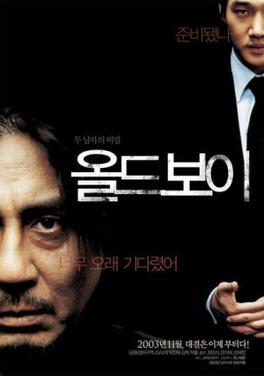
Revenge Thriller – Oldboy

Kidnaped and imprisoned for 15 years without knowing the cause, the captor and no idea for any motives whatsoever. One day he is released and has five days to work out who imprisoned him for such a long time.

A brutal revenge film you will not want to miss. Even if you aren’t generally a fan of the horror genre the investigation will keep you watching. But be warned! This thriller has many twists and turns in the madness of the protagonist and the situation he finds himself in.

Director – Park Chan-wook

Korea entices people back to the cinema

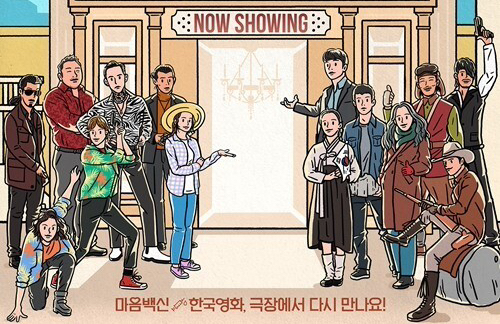
During COVID the film industry has taken a massive hit worldwide, with cinemas closed and new releases delayed the industry has fundamentally changed and many people are questioning if cinemas can even survive. To reinvigorate in-person cinema Korea is enticing people back with their new campaign ‘Korean Cinema, Our Old Friend’ with the slogan ‘With vaccines ensuring our health, and Korean cinema replenishing our spirits,’. The KOFIC (Korean Film Council) is encouraging people to remember pre-lockdown times when we would meet family, lovers and socialise with friends.

‘Korean Cinema, Our Old Friend’ Campaign

The cinema industry has struggled immensely in the past few years however one thing we can all agree on is how much we miss the thrill of watching new (and old) films on the big screen!

Hallyu – The Korean Wave Growing Worldwide

The term ‘Hallyu’ has become more common worldwide. It is something which you will probably have noticed in some way or another as Korean Culture becomes more prominent.

Hallyu or the ‘Korean Wave’ refers to the international fascination and growing global popularity of South Korean entertainment, music and films which began in the 1990s. Hallyu has been a blessing for Korea due to the enormous economic boost that it has provided to businesses. Hallyu had also symbolised a breakthrough for the Korean film industry which has long been contending with Hollywood films which dominated the market.

Despite its growing global popularity, Korean films have remained deeply embedded in the Korean experience and has therefore been able to remain distinctive to international audiences. Korean cinema has been revered for daring to address topics which western films usually stray from, often exploring the dark side of human experiences, mixing dark humour with elements of controversy in order to challenge its audience. It is therefore unsurprising that Korean directors such as Bong Joon-ho has attracted both public and filmmakers’ attention, with Quentin Tarantino comparing him to ‘Steven Spielberg in his prime’.

Following the growing Hallyu phenomenon, support from international streaming services such as Netflix has made Korean dramas and films more accessible than ever! Even with widespread lockdowns across the globe and the huge amount of content available online, no single genre has had better growth than Korean dramas and films which was met with  incredible support and an explosion of demand for Korean entertainment in the West.

Korean Flag

The astonishing production value of Korean films provides a comforting level of expectation from viewers i.e knowing that a film is well made increases it’s appeal. The amount of resources, effort and detail put in has made Korean cinema a spectacle to enjoy. In particular, ‘Train to Busan’ was a cinematic experience that showcased the unique production quality of Korean films, from casting to editing, to costume and make-up.

Korean films have also managed fill a gap where Western films were lacking and it should be worth noting that the vast majority of Korean dramas and films lack the level of nudity and crude language and behaviour that many Western viewers have become accustomed to, therefore, providing the audience with a refreshing experience from the majority of Hollywood films.

You’ve heard of Spaghetti Western but how about Kimchi Western?

Kimchi Westerns play an important role within Korean Cinema. At a time when the cinema industry was in a depression a very expensive venture aimed to bring back trust and revive the market.

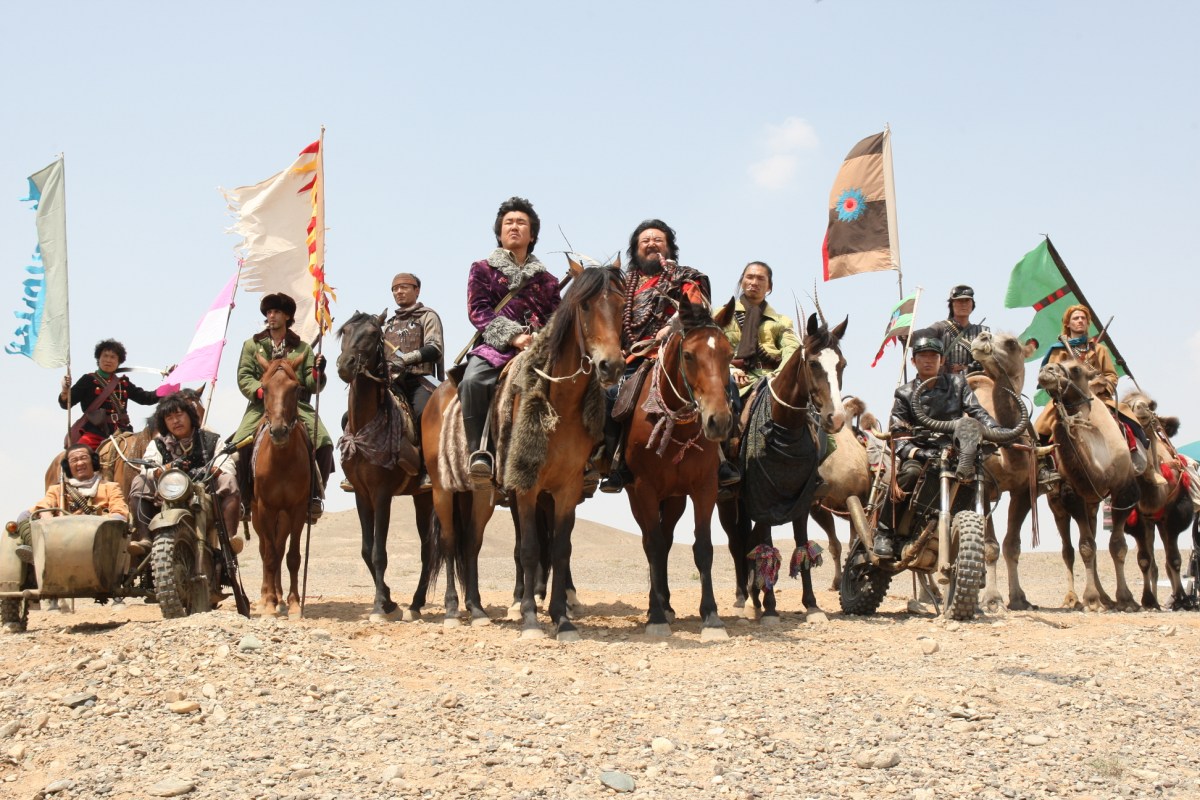
During the 1960s and 1970s a genre of films known as “Manchurian Westerns” were very popular in Korea. Around 2010 Korea saw box office figures decrease at home and abroad despite being known for their fantastic cinematography, love stories and historical dramas. In order to revive the film scene with a budget of 10 million USD, a risk was taken to create a remake of “The Good, The Bad, The Ugly’ to bring back the Manchurian Western genre. “The Good, The Bad, The Weird” directed by Kim Jee-Woon mimics the Sergio Leone classic becoming the first “Kimchi Wester” a play on words from Spaghetti Westerns.

“The Good, The Bad, The Weird” – Movie Scene – 2008

The film is based in the desert wilderness of Manchuria 1939 a few months before the beginning of WW2. The plot follows “The Bad” (Lee Byung Hun) who is hired to acquire a treasure map for a Japanese official however “The Weird” (Song Kang-Ho) gets in his way. With graphic shootouts, chases and explosions it is said to have been a part of bringing Korea out of it’s depression within the film industry.

For a bit of context, Manchuria is a name for several regions overlapping within China, Russia and North-East Asia. The term was first used in the 17th century by the Japanese, now the majority of the land sits within Northeast China.

The Manchuria Desert

Despite being an incredibly risky project the film received extremely positive reviews and even premiered at the Cannes Film Festival. This in turn lead to investors feeling more secure investing in Korean films especially due to success at home and internationally, challenging even Hollywood blockbusters.

Director Kim Jee-Woon

The director Kim Jee-Woon has had a varied career within the film industry, initially starting out in cinema and becoming increasingly successful from film to film. He has had significant success directing Korean films however also debuted in the US in 2013 with ‘The Last Stand’ featuring Arnold Schwarzenegger. For his work on “The Good, The Bad, The Weird” Kim Jee-Woon received a  Cinematography Award from the 2008 Asia Pacific Screen Awards, Best Supporting Actor for Jung Woo-sung at the 2009 Asian Film Awards as well as winning Best Director and Best Special Effects at the 2008 Sitges – Catalan International Film Festival.

The first South Korean to head the Venice Film Festival Jury

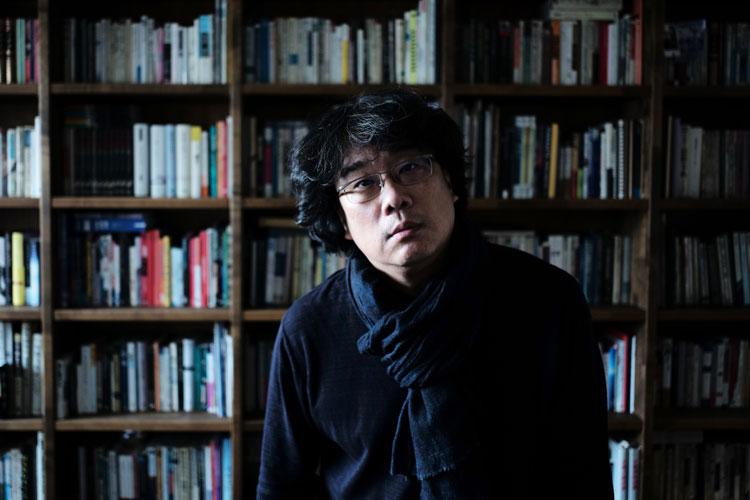
This year Bong Joon Ho was the first South Korean to head the Venice Film Festival Jury

Venice Film Festival 2021 is over, and what a festival it was! This year saw the first South Korean to head the film jury, Bong Joon Ho director of ‘Parasite’, ‘Snowpiercer’ and ‘Barking Dogs Never Bite’. This decision signifies how the Venetian film festival is embracing world cinema in a time when the industry is fundamentally changing while shining light on films that don’t have significant international reach.

When accepting the proposal in January he stated:

“The Venice International Film Festival carries with it a long and varied history, and I’m honored to be woven into its beautiful cinematic tradition. As president of the jury – and more importantly as a perpetual cinephile – I’m ready to admire and applaud all the great films selected by the festival. I’m filled with genuine hope and excitement.”

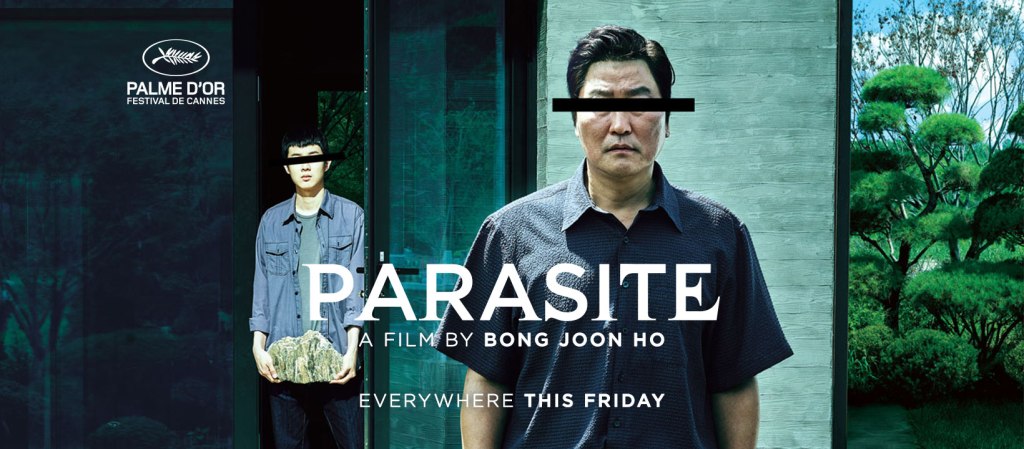
If you aren’t familiar with Korean Cinema, Bong Joon Ho’s most recent achievements have moved Korean Cinema firmly into the spotlight. In 2019 Parasite became the first non-english film and the first South Korean movie to win best picture Oscar. The film shows the divides between poor and rich and is about a poor family trying to infiltrate a wealthy family by gaining employment as their staff (currently on Amazon Prime).

Parasite – 2019 – Bong Joon Ho

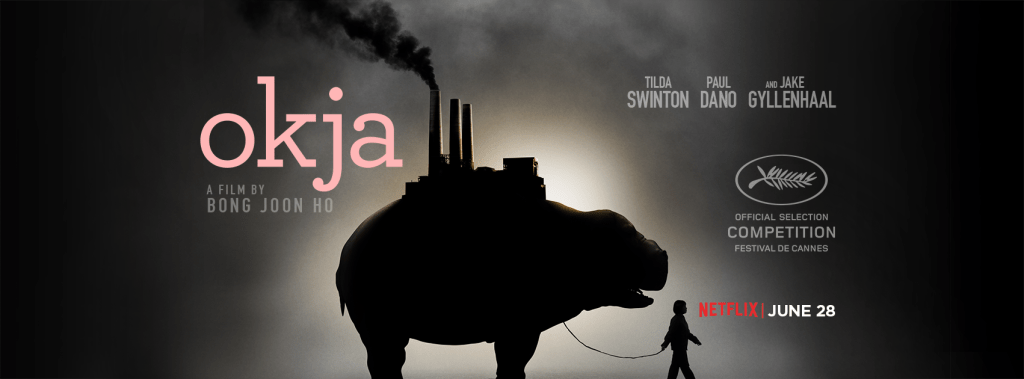
Another film produced relatively is Okja. Despite an initial controversy due to it being produced by Netflix, it won positive reviews from reputable publications such as Rotten Tomatoes, The New York Times and Metacritic (watchable on Netflix).

Okja – 2017 – Bong Joon Ho – Netflix

The Venezia 78 Jury, chaired by Bong Joon Ho and comprised of Saverio Costanzo, Virginie Efira, Cynthia Erivo, Sarah Gadon, Alexander Nanau and Chloé Zhao, having viewed all 21 films in competition, has decided as follows:

The awards given for the Venice Film Festival were as follows:

GOLDEN LION for Best Film to:

L’ÉVÉNEMENT (HAPPENING)

by Audrey Diwan (France)

SILVER LION – GRAND JURY PRIZE to:

È STATA LA MANO DI DIO (THE HAND OF GOD)

by Paolo Sorrentino (Italy)

SILVER LION – AWARD FOR BEST DIRECTOR to:

Jane Campion

for the film THE POWER OF THE DOG (New Zealand, Australia)

COPPA VOLPI

for Best Actress:

Penélope Cruz

in the film MADRES PARALELAS (PARALLEL MOTHERS) by Pedro Almodóvar (Spain)

COPPA VOLPI

for Best Actor:

John Arcilla

in the film ON THE JOB: THE MISSING 8 by Erik Matti (Philippines)

AWARD FOR BEST SCREENPLAY to:

Maggie Gyllenhaal

for the film THE LOST DAUGHTER by Maggie Gyllenhaal (Greece, USA, UK, Israel)

SPECIAL JURY PRIZE to:

IL BUCO

by Michelangelo Frammartino (Italy, France, Germany)

MARCELLO MASTROIANNI AWARD

for Best Young Actor or Actress to:

Filippo Scotti

in the film È STATA LA MANO DI DIO (THE HAND OF GOD) by Paolo Sorrentino (Italy)